how to shift above the line
‘should is just could, with shame attached.’
i walked into a forum meeting disastrously hungover, and declared to the group: ‘i should stop drinking!’ my friend and coach, sue, shook her head gently and dropped a classic bomb of wisdom: i shouldn’t stop drinking. rather, i could stop drinking, if i wanted.
in that moment, my attitude shifted. i had been below the line - feeling like i had no ability to change my circumstance. if i wanted anything to change, i needed to stop drinking - that’s what the world was putting on me.
however, shifting that one word - should - allowed me to loosen my grip on my predicament. instead of a command, one that i needed to follow if i wanted to find success in the future, i was looking at a choice. if i wanted to change, i could. it was within my power. it was something i could do ‘by me’ rather than something weighty that was happening ‘to me.’
how to shift: the four questions
during my leadership retreats or executive coaching sessions, i often am asked “ok - i see the benefit of being above the line - but how do i catch myself and shift to a better mindset?”
i love this question - and often refer to the four question model laid out by the conscious leadership group.
feeling like you’re the victim? like you don’t have control over a situation or your thoughts? try these simple questions and see if you’re ready to shift.
1. where am i?
this one’s simple. where are you? when you take a moment and look inward, are you above or below the line? do you feel like the world is happening by you or through you, or is it happening to you? chances are, if you’re asking these questions, you’re feeling stuck and are likely below the line, feeling like the world is happening to you, with no recourse for change.
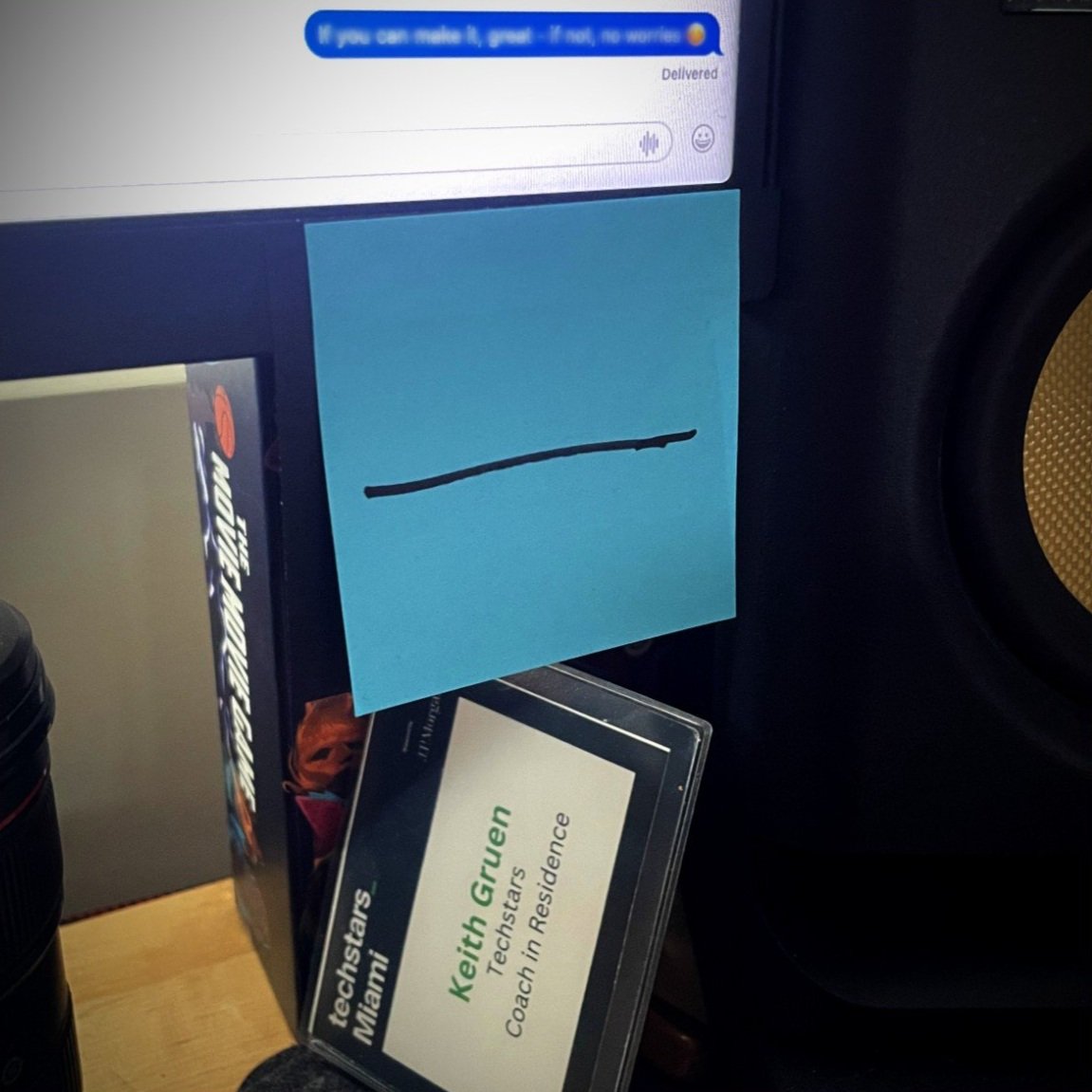
pro tip: i have a sticky note on my monitor (the above pic) with a solid line on it - it’s always there, subtly allowing me to ask “where are you? above the line, or below the line?”
if the answer to question 1 is ‘i am below the line’ - awesome. awareness is the first step. now comes step two:
2. can i accept myself for being here?
this one can be tough, because as leaders we always want to… move. to shift. but without acceptance of our current state of mind, we really have nowhere to jump off from. as jim dethmer wrote: “Many of the great wisdom traditions teach that awareness and acceptance are the twin pillars of consciousness. Awareness is noticing, and acceptance is greeting what you notice with compassion.”
tougher than it sounds, for sure - is it ok / can i accept myself for feeling like i’m powerless when it comes to my desire to check out? can i love myself for being hungover and feeling terrible? can it be ok that i fuck up sometimes?
for some of us, acceptance and self-love can be really, really hard. especially if you’re an enneagram type that focuses on perfection (that means you: ones, threes, eights, and nines…). trick is, its ok not to be in a place of acceptance just yet - but without acceptance, shifting is nigh impossible.
if the answer to question 2 is yes, great. we get to think about shifting next…
if the answer to question 2 is no? that’s ok. you’re not ready to shift. take some time, maybe take a walk around the block, or check in later.
3. am i willing to shift?
key to this question? wanting and willing are very different concepts. obviously we’re engaging in this thought exercise because we’re in a situation and want to shift. i wanted to drink less. i hated the next mornings - the anxiety, headaches, lethargy… it sucked. i wanted to be different.
but was i truly, honestly, willing?
was i willing to take the tradeoffs? willing to take on the fear and risk of failure? willing to do the hard work? for a long time, i wasn’t. regardless of my wanting, i was still unconsciously committed to drinking excessively. hell, even getting a DUI didn’t stop me (it did stop me from drinking and driving, thank god - but now i just paid for ubers to sooth my need to drink).
so - you’re below the line. you’ve accepted and loved yourself for being there. are you really, truly willing to shift?
if yes, amazing. let’s look at question 4.
if no, amazing. you just took full responsibility for yourself by admitting that you’re not there yet. maybe the tradeoffs are too much - maybe hanging on to that victimhood is giving you much needed energy. maybe that anger hasn’t had a chance to move on. that’s ok! give it time, and check back in.
4. how do i want to shift?
now comes the fun. now you have choice. instead of feeling like you should do something, you can see that you could do something. question is, which shift move would you like to use?
are you willing to see your place on the drama triangle and shift to a creator, coach, or challenger?
are you ready to embrace candor (with yourself or others)?
ready to embrace your enneagram superpower for good, rather than evil?
of course, there are countless shift moves - several of which are outlined here. the important part though, is to remain open and curious - how can you take agency back, and make clear choices to arrive above the line.
practicing these moves over time will allow you to build a practice of awareness and ease around shifting - my favorite is examining the facts and stories i’ve made up about any given situation.
grace and acceptance
so… do i still drink? yes, yes i do.
however, when i can, i catch myself beforehand. had a bad day? really want those three shots of tequila? ok keith - what is driving your desire? what’s your day like tomorrow? are you willing to take the tradeoffs? are there healthier ways to approach your desires?
sometimes i catch it. sometimes i don’t. but overall, shifting from ‘should’ language to ‘could’ language - from ‘i need to’ to ‘i could… but do i really need to?’ has been lifechanging. i’m not perfect, but i’ve been able to take control of myself more than not… and i’m so grateful for that.
if you find yourself below the line, try these questions out.
how will you shift?
thanks for being here.

want help shifting from below the line?
reach out and lets see how i can help you, your team, or your organization.
